Posted on 14/10/2026
Gidea Park Wedding Flowers Trusted Romford Florist: A Practical Guide to Getting the Day Right
Planning Gidea Park wedding flowers trusted Romford florist services can feel straightforward at first, then suddenly quite personal. One minute you are choosing a bouquet colour, the next you are weighing up buttonholes, table flowers, delivery timing, and whether your flowers will still look fresh when the photos begin. Truth be told, wedding flowers do a lot of heavy lifting. They set the tone, soften the room, tie outfits together, and make even a modest venue feel properly considered.
If you are getting married in or around Gidea Park and want a florist you can trust in Romford, the aim is not just pretty flowers. It is calm planning, reliable delivery, and designs that suit your venue, your budget, and your style without the stress. This guide walks through how it works, what to look for, common mistakes, and how to make smarter choices that feel good on the day and sensible in the run-up.
And yes, flowers are the lovely bit. But the practical bit matters too.
Why Gidea Park wedding flowers trusted Romford florist Matters
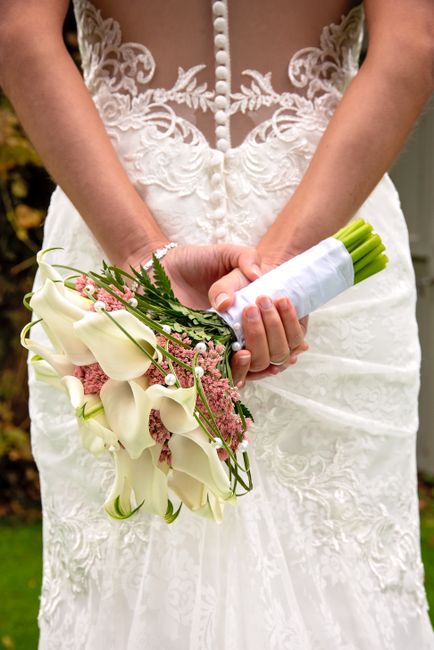
Weddings are rarely just about flowers, but flowers touch almost every visual part of the day. In a place like Gidea Park, where couples may be working across local churches, hotels, private homes, reception spaces, and transport timings that are not always as relaxed as you hoped, a trusted Romford florist brings consistency. That matters more than people think.
A local florist understands the rhythm of local deliveries, the kind of access issues that can come up at venues, and the simple need to get everything right the first time. If your bouquet arrives late, or a centrepiece is set too early and wilts in a warm room, the emotional pressure climbs fast. No one wants that. Not on a wedding morning, not ever.
There is also a design side to this. Wedding flowers should feel like they belong to the setting. A bright spring bouquet might look beautiful in a daylight-filled ceremony room, while softer ivory and green arrangements may suit a more classic or formal setting. A trusted florist will guide that fit, rather than pushing a one-size-fits-all look.
Expert summary: The best wedding floristry is not just decorative. It is well planned, seasonally sensible, venue-aware, and delivered with enough flexibility to handle the real world.
That is especially useful when you are coordinating suppliers and trying to keep everything moving. Honestly, a good florist becomes part designer, part planner, part quiet problem-solver. Bit of a hero role, really.
How Gidea Park wedding flowers trusted Romford florist Works
The process usually starts with a conversation about your wedding style, date, venue, and budget. From there, the florist will shape a flower plan around what you actually need. That may sound obvious, but the detail is where the value lies.
For most couples, the process includes some mix of the following:
- Bride's bouquet
- Bridesmaid bouquets
- Groom and groomsmen buttonholes
- Flower girl or page boy flowers
- Ceremony flowers
- Reception table arrangements
- Statement displays or aisle flowers
- Extra pieces such as corsages or thank-you gifts
With trusted Romford wedding floristry, the focus is usually on making sure each piece works together without looking too matchy-matchy. You want cohesion, not a flower uniform.
Seasonality matters too. A florist who knows local wedding demand will suggest flowers that are available, suitable for the time of year, and more likely to hold up well through transport and display. That does not mean you must give up on your favourite blooms. It just means you may need a sensible alternative if the original choice is delicate, out of season, or poor value for the look you want.
Delivery and setup are a big part of the service. The practical side may involve timed drop-offs, coordination with venue staff, careful packaging, and last-minute placement. A bouquet is lovely. A bouquet that arrives on time, hydrated, and ready to hand over is even lovelier.
If you are still in the early planning phase, it can help to explore the wider wedding range, including wedding flower collections and specific items such as bridal bouquets, bridesmaid bouquets, and wedding buttonholes.
Key Benefits and Practical Advantages
There are good aesthetic reasons to use a local florist for Gidea Park wedding flowers, but the practical advantages are often what win people over.
- Local knowledge: Helpful when coordinating delivery windows, venue access, and setup timing.
- Better continuity: The same florist can usually manage the whole design flow, from bouquets to table flowers.
- Less stress: One point of contact means fewer crossed wires.
- Venue-friendly designs: Arrangements can be tailored to the scale and layout of your space.
- Seasonal guidance: You get suggestions that make sense for the time of year and your budget.
- Style consistency: Colours, textures, and flower types can be carried through the day.
There is also a subtle but important benefit: a florist who works locally is more likely to understand what real wedding days feel like. Things run a little late. Someone forgets a buttonhole. The registrar moves the timeline by ten minutes. It happens. A calm, experienced florist will have seen this before and will not make it a drama.
That calm is worth paying for, even if you are very capable and love a good spreadsheet. Especially then, perhaps.
Who This Is For and When It Makes Sense
This service makes sense for couples who want flowers that feel personal and well managed, not just ordered from a generic catalogue with fingers crossed. If your wedding is in Gidea Park, Romford, or nearby, local wedding floristry is especially useful when your venue schedule is tight, your setup needs are specific, or you simply want a proper conversation about design.
It is a strong fit if you are:
- Planning a ceremony and reception in the same local area
- Working to a fixed budget but still want a polished look
- Looking for bespoke or semi-bespoke bouquets
- Comparing classic, modern, rustic, or luxury floral styles
- Trying to keep wedding suppliers simple and local
- Unsure which flowers will suit your season or venue
It also makes sense if you care about the details that guests may not consciously notice, but absolutely feel. A well-chosen bouquet ribbon. A centrepiece that does not fight the table layout. Buttonholes that sit neatly. That kind of thing.
For couples who need flexibility, it can be useful to browse broader flower categories as well, such as luxury flowers, florist choice, or roses if they want to explore styles before locking in the final look.
Step-by-Step Guidance
If you want the process to feel manageable, break it into stages. That alone can take a lot of the pressure off.
- Start with the wedding mood. Decide whether the day feels formal, relaxed, romantic, colourful, traditional, or modern. Flowers should support that feeling.
- List the key floral items. At minimum, think about the bridal bouquet, bridesmaid flowers, buttonholes, and ceremony or table pieces.
- Set a budget range. A good florist can work within a range, but only if they know what that range is. No one can read minds, sadly.
- Choose your colour direction. Think in tones rather than exact shades first. Ivory and green, blush and white, berry tones, soft pastels, or a bold mixed palette all lead to different results.
- Discuss the venue. Share photos, table plans, and any ceremony details. This helps with scale and placement.
- Ask about availability and substitutions. Seasonal variation is normal. The best florists are transparent about what can be secured and what may need a sensible swap.
- Confirm delivery and setup. Make sure timing, access, and who is receiving the flowers are clear.
- Approve the final plan. A written summary saves a lot of confusion later.
One useful rule: if the flowers matter to your photographs, they matter enough to plan properly. You will notice the bouquet in the close-ups, the ceremony flowers in the aisle shots, and the table arrangements when the room finally settles into the evening. That is where the money goes, really.
If you are after a practical starting point, the wedding-specific collection pages are a helpful way to compare styles, including wedding table arrangements and wedding corsages.
Expert Tips for Better Results
A few small decisions can make a big difference to how your flowers look and how smoothly the day runs.
Choose flowers for the venue light
Bright daylight, soft evening light, and indoor warm lighting all affect how colours read in photos. A very pale bouquet can disappear in a bright room, while a strong colour palette may look richer under warm lamps. Ask your florist how the palette will photograph, not just how it looks in the studio.
Think about movement and shape
Round bouquets feel classic and controlled. Looser, more natural arrangements can feel romantic and relaxed. Cascading designs are dramatic, but they need careful handling. There is no single correct choice; there is only what suits your dress, your frame, and the overall mood.
Keep the bridal bouquet as the anchor
The bridal bouquet often sets the tone for everything else. Once that is right, bridesmaid pieces, buttonholes, and table arrangements can echo it without becoming identical. That gives the day cohesion without overdoing it.
Use one or two focal flowers wisely
When florists build a design around too many hero flowers, the result can feel busy. Usually, a stronger design uses a few focal blooms and supporting flowers or foliage around them. Cleaner. More elegant. Easier on the eye.
Plan for photographs, not just the ceremony
Some flowers look lovely in person but get lost in a wide reception room. Others look wonderful in detail shots but need volume to make an impact in a large venue. A florist with wedding experience should be able to talk you through both.
And one tiny but real-world tip: keep a spare ribbon, pin, and tissue pack nearby. Wedding mornings are not always as serene as Instagram would have you believe.
Common Mistakes to Avoid
Most flower problems do not come from bad taste. They come from rushed decisions or unclear communication.
- Booking too late: Popular wedding dates fill up quickly, and last-minute design options may be limited.
- Not defining the budget early: This can lead to awkward revisions later.
- Choosing flowers without considering the season: Some blooms are expensive or fragile at the wrong time of year.
- Forgetting delivery details: The venue needs to know who is arriving, when, and where flowers should be placed.
- Overcrowding tables: Tall or heavy arrangements can block conversation.
- Ignoring the dress and palette: The bouquet should complement, not compete.
- Assuming every flower is available in every form: Reality tends to be a bit more complicated than Pinterest.
A surprisingly common issue is scale. Couples sometimes choose arrangements they love individually, then discover the room feels too full once everything is placed together. A good florist helps you step back and look at the whole picture. Not just one pretty stem at a time.
Tools, Resources and Recommendations
You do not need specialist software to plan wedding flowers, but a few simple tools make the process easier.
- Venue photos: Helpful for judging scale, table shape, and room colour.
- Outfit images: Useful for matching tone, texture, and bouquet size.
- Inspiration board: Keep it edited. Ten good images beat fifty mixed ones.
- Guest table plan: This helps determine how many arrangements are actually needed.
- Time schedule: Especially useful if flowers need to arrive before hair and makeup finishes.
For product ideas, many couples look at coordinated pieces such as a coordinated wedding collection, the bridal bouquet, and matching bridesmaid bouquet options. If you prefer a more traditional look, a florist can also guide you through rose-led arrangements or mixed seasonal designs.
When it comes to care, ask how the flowers should be stored on the wedding morning. Most bridal flowers do best in a cool room away from direct sun, radiators, or too much handling. Simple, but easy to forget when everyone is rushing around and somebody is still looking for cufflinks.
Law, Compliance, Standards, or Best Practice
Wedding floristry is not heavily regulated in the way that some services are, but there are still standards and best practices worth paying attention to.
First, clear consumer communication matters. You should know what is included, when payment is due, what happens if flowers need substitution, and how delivery or cancellation is handled. Written confirmation is sensible. It protects both sides and reduces misunderstandings.
Second, if fresh flowers are being transported to a venue, they should be handled carefully to protect quality and hygiene. Good florists use clean tools, suitable packaging, and sensible storage to reduce damage. That sounds basic, and it is, but basic things are often what keep a wedding day running smoothly.
Third, if you are ordering from a florist that offers policies on payments, returns, or delivery, read them properly. No one enjoys policy reading. Fine. But on a wedding order, it is worth doing.
Finally, if you have accessibility needs at the venue, time restrictions, or special setup requirements, mention them early. Best practice is not just about beautiful design. It is about service that respects the realities of the day.
For broader information about how a reputable local florist communicates service standards, you may also want to review pages like guarantees, delivery, and about us.
Options, Methods, or Comparison Table
Different wedding flower approaches suit different budgets, timelines, and expectations. Here is a simple comparison to help you think it through.
| Option | Best for | Strengths | Things to watch |
|---|---|---|---|
| Fully bespoke floral design | Couples with a strong vision or unique venue | Highly tailored, cohesive, and flexible | Needs more consultation time and clear budget planning |
| Collection-based wedding flowers | Couples who want a curated look with less back-and-forth | Simple to choose, easier to coordinate | Less flexibility on individual details |
| Seasonal florist-led selection | Budget-aware couples and people open to ideas | Good value, often very fresh, usually stylish | Exact blooms may vary by season |
| Minimal floral package | Smaller weddings or couples focusing on key moments only | Cost-conscious and simple to manage | Less decorative impact across the full venue |
For many couples, the sweet spot is somewhere between fully bespoke and a curated collection. You get enough flexibility to make it personal, but not so much choice that you end up staring at swatches for three evenings in a row. Been there, to be fair.
Case Study or Real-World Example
Picture a couple planning a late spring wedding in Gidea Park. They want something romantic but not overly formal, and they are balancing a ceremony in the morning with a reception later in the day. Their main concern is making the flowers feel consistent without spending too much on extras they will barely notice.
They start with a soft palette of white, blush, and green. The florist suggests a bouquet with fuller focal flowers, lighter bridesmaid bouquets, and simple buttonholes that will hold up well during travel. For the reception, the couple chooses modest table arrangements rather than large centrepieces, which keeps conversation easy and allows the room to feel airy.
One small adjustment saves them stress: the florist recommends keeping ceremony flowers flexible enough to be repurposed for the reception. That means the couple gets more visual impact from the same arrangements. Not flashy. Just smart.
On the day, the flowers are delivered in the right order, with enough time for placement and a quick check before guests arrive. The bouquet photographs beautifully in daylight, the table flowers fit the room, and no one has to scramble for a missing buttonhole. That last part matters more than people admit.
This is usually what trusted local floristry looks like in practice: not dramatic, not noisy, just well judged and dependable.
Practical Checklist
Use this checklist before you finalise your wedding flowers.
- Confirm your wedding date and venue address
- Set a clear flower budget range
- Choose your core palette and style
- List the floral items you actually need
- Share photos of the dress, venue, and decor
- Ask about seasonal flower availability
- Check delivery timing and setup details
- Discuss substitutions in advance
- Confirm payment, cancellation, and policy terms
- Make a point person for the wedding morning
- Arrange a cool, safe place for flowers on arrival
- Keep contact details handy for the florist and venue
If you can tick most of these off early, the whole process becomes a lot easier. Not effortless, maybe. But easier, and that counts for plenty.
Conclusion
Choosing Gidea Park wedding flowers trusted Romford florist services is really about confidence. Confidence that the flowers will suit the venue, the timing, the season, and the style of your day. Confidence that someone experienced is handling the practical details while you focus on everything else.
The best wedding flowers do more than look nice in one photograph. They make the day feel cohesive, warm, and intentional from the first bouquet moment to the last table glance in the evening. That is the real value. Beautiful, yes. But also calm, organised, and quietly memorable.
If you are ready to start planning, choose a florist who listens carefully, explains things clearly, and treats your wedding with the kind of attention it deserves. Good flowers can absolutely transform the day. And honestly, when they are done well, they stay with you long after the last guest has gone home.
Get a free quote today and see how much you can save.
Sometimes the smallest floral detail becomes the bit you remember most.
Frequently Asked Questions
How far in advance should I book wedding flowers in Gidea Park?
As early as you can, ideally once you have your date and venue confirmed. Popular wedding dates can fill quickly, and early booking gives you more choice on style, flowers, and delivery planning.
Can a Romford florist help with both bouquets and venue flowers?
Yes. A wedding florist typically handles bridal bouquets, bridesmaid flowers, buttonholes, ceremony pieces, and reception arrangements so everything feels coordinated.
What if I do not know which flowers to choose?
That is very common. A good florist will guide you using your colour palette, dress style, venue photos, and budget. You do not need to arrive with every flower detail decided.
Are seasonal flowers better for weddings?
Often, yes. Seasonal flowers are usually fresher, easier to source, and better value. They can also make your arrangements feel more natural and in tune with the time of year.
How do I keep wedding flowers within budget?
Start with the essentials, set a spending limit early, and ask for suggestions that suit that range. Using seasonal blooms and repurposing ceremony flowers for the reception can help you get more from the budget.
Can I match my wedding flowers to my dress and bridesmaids?
Absolutely. That is one of the most useful ways to plan the floral design. Share fabric colours, dress photos, and any accessories so the florist can choose tones that complement the full look.
Do wedding flowers need special delivery arrangements?
Usually, yes. The timing should fit around the ceremony schedule, venue access, and any setup needed before guests arrive. Clear delivery instructions help avoid last-minute problems.
What happens if a flower I want is unavailable?
A professional florist should suggest a close alternative that keeps the look and feel of the design intact. Substitution is normal in floristry, especially with seasonal weddings.
Should I choose bouquets first or table flowers first?
Usually the bouquet first. It often becomes the anchor for the rest of the wedding design, and then the other arrangements can be built around it.
Can I use the same flowers for the ceremony and reception?
Often you can, depending on the design and venue layout. This is a practical way to stretch the budget while keeping the styling consistent through the day.
What should I bring to my wedding flower consultation?
Bring venue details, colour ideas, dress photos, a rough guest count, and your budget range. If you have inspiration images, keep them focused rather than overwhelming.
Is a local florist better than ordering flowers online for a wedding?
For most weddings, yes. A local florist can advise on design, timing, delivery, and seasonal choices, which makes the whole process more reliable and personal.
How do I know if the florist is right for my style?
Look at their portfolio, ask questions, and see whether they listen properly. If they understand your venue and the feeling you want, that is a very good sign.
Can wedding flowers be simple and still look elegant?
Definitely. In fact, simple often looks more elegant when the colours, scale, and flower choices are well judged. You do not need a huge display for the flowers to make an impact.


